
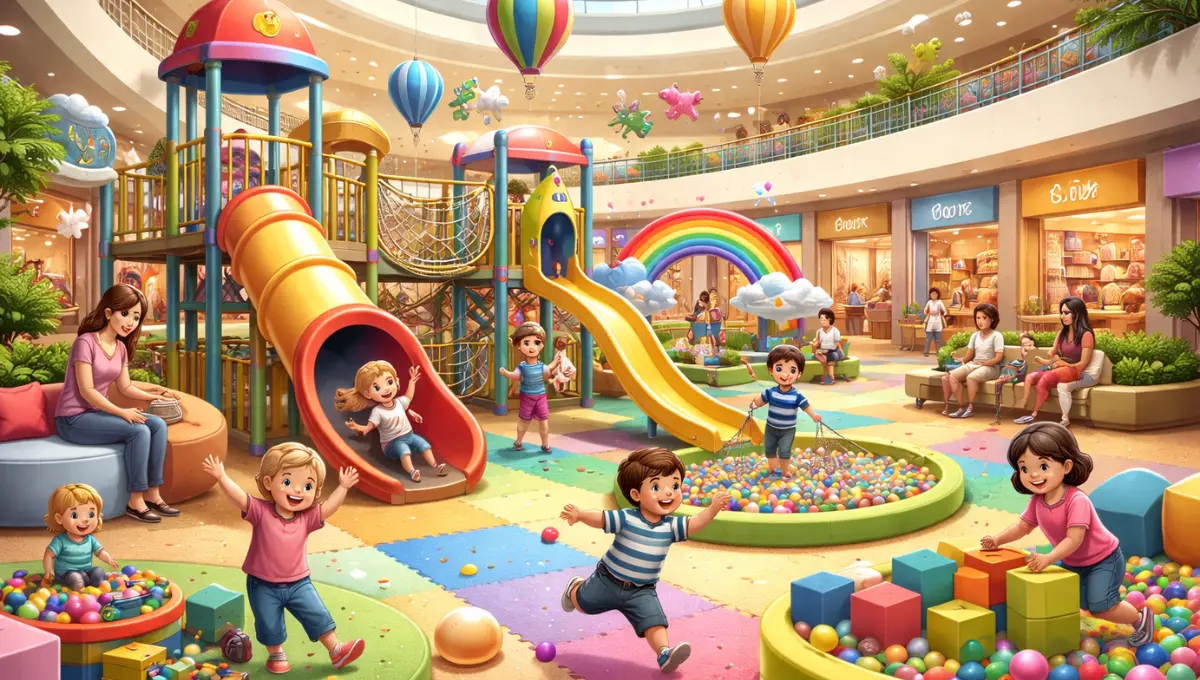
Shopping with children can feel challenging. Kids get bored quickly. Parents feel rushed. Modern shopping centers solve this problem with dedicated kids’ play areas. These spaces keep children engaged while parents shop with peace of mind.
Kids’ play areas have become an essential feature in family-friendly malls. They offer fun, safety, and convenience in one place. This guide helps parents understand kids’ play areas and choose the best options for their children.
What Are Kids’ Play Areas in Shopping Centers?
Kids’ play areas are designated spaces inside shopping centers. They allow children to play safely while parents shop nearby. These areas focus on fun, learning, and physical activity.
Most kids’ play areas include soft play equipment, slides, climbing frames, and interactive games. Some malls also offer themed play zones and activity corners. These spaces suit different age groups and interests.
Shopping centers now design play areas as part of the overall mall experience. Parents no longer need to choose between shopping and childcare. Both happen together.
Why Kids’ Play Areas Matter for Parents
Kids’ play areas reduce stress for parents. Children stay entertained instead of wandering around stores. Parents can focus on shopping without constant interruptions.
These play zones also help children release energy. Active kids feel happier and calmer. This creates a better shopping experience for the entire family.
Parents trust malls that invest in safe and supervised kids’ play areas. These features show care for family needs.
Benefits for Children
Kids gain physical activity through climbing, jumping, and running. This supports healthy growth. Play also improves coordination and balance.
Children learn social skills by playing with others. They practice sharing and teamwork. These interactions build confidence.
Play areas also boost creativity. Bright colors and fun themes spark imagination.
Benefits for Parents
Parents enjoy more freedom while shopping. They spend more time in stores. They feel relaxed knowing their kids are safe.
Supervised play areas build trust. Parents appreciate trained staff and clear safety rules. This creates loyalty toward the shopping center.
Key Features of a Safe Kids’ Play Area
Safety matters most when choosing kids’ play areas. Malls should use soft flooring and padded equipment. This reduces injury risks.
Equipment must suit different age groups. Toddlers need simple structures. Older kids need more active play options.
Cleanliness also matters. A well-maintained play area reflects responsible management.
Supervision and Trained Staff
Good kids’ play areas always have trained staff. Supervisors monitor behavior and ensure safety rules. They guide children and handle minor issues quickly.
Staff training builds parent confidence. Parents trust play areas with visible supervision.
Security Measures in Shopping Centers
Shopping centers should support play areas with strong security. CCTV cameras help monitor activity. Controlled entry and exit points prevent unauthorized access.
Mall security teams should stay nearby. This adds another layer of protection for families.
Indoor vs Outdoor Kids’ Play Areas
Indoor kids’ play areas suit shopping centers best. They work year-round and protect children from weather. Indoor spaces also allow better supervision and cleanliness control.
Outdoor play areas offer fresh air and space. However, they depend on weather conditions. Heat, rain, or pollution can limit use.
Most parents prefer indoor play areas in malls. They provide comfort and safety in all seasons.
How Kids’ Play Areas Enhance the Shopping Experience
Kids’ play areas increase family visits. Parents stay longer when children feel happy. Longer visits often lead to more spending.
Brands benefit from higher footfall. Families return to malls that meet their needs. Kids’ play areas create emotional connections with shoppers.
This makes play areas a smart investment for shopping centers.
Age-Wise Play Zones in Shopping Centers
Good malls divide kids’ play areas by age. This improves safety and enjoyment.
Toddler zones focus on soft play and simple activities. These areas support early motor skills.
Zones for school-going kids include slides, climbing frames, and interactive games. Older children enjoy more active challenges.
Age-wise planning shows attention to child development.
Hygiene and Health Standards Parents Should Check
Parents should always check hygiene standards. Clean floors and sanitized equipment reduce health risks.
Play areas should follow regular cleaning schedules. Staff should disinfect high-touch surfaces often.
Crowd control also matters. Overcrowding increases safety risks. Responsible malls manage entry limits carefully.
Kids’ Play Areas at Amanah Mall
Amanah Mall offers thoughtfully designed kids’ play areas. The mall focuses on safety, cleanliness, and fun.
The play areas at Amanah Mall cater to different age groups. Soft flooring and modern equipment ensure safe play. Trained staff supervise children at all times.
Parents can shop freely while kids enjoy structured play. Amanah Mall understands family needs. This makes it a trusted destination for parents in Lahore.
The mall also maintains high hygiene standards. Regular cleaning and security support create a worry-free environment.
Tips for Parents Visiting Kids’ Play Areas
Parents should check age limits before entry. This ensures children play in suitable zones.
Set clear time limits. Children transition better when expectations stay clear.
Teach basic play rules. Remind kids to be kind and careful.
Stay nearby if required. Some play areas allow parents to observe from seating zones.
Common Concerns Parents Have About Kids’ Play Areas
Many parents worry about safety. Proper supervision and soft equipment reduce risks.
Cleanliness also concerns parents. Choosing reputable shopping centers solves this issue.
Some parents worry about screen time. Physical play areas offer a healthy alternative to digital entertainment.
FAQs
Are kids’ play areas in shopping centers safe?
Yes. Well-managed play areas follow safety standards. Trained staff and secure environments keep children safe.
What age group can use kids’ play areas?
Most kids’ play areas serve toddlers to pre-teens. Age-specific zones improve safety.
Do parents need to stay inside the play area?
Rules vary by mall. Some require parental presence. Others allow supervised independent play.
Are kids’ play areas free or paid?
Some malls offer free play areas. Others charge a small fee for premium facilities.
Conclusion
Kids’ play areas have changed the shopping experience for families. They provide fun for children and relief for parents. Safety, hygiene, and supervision remain essential factors.
Shopping centers that invest in quality play areas stand out. Parents prefer malls that understand family needs. Amanah Mall sets a strong example with its well-designed kids’ play areas.
Choosing the right shopping center makes every family visit enjoyable. Kids stay happy. Parents shop stress-free. Everyone wins.